
Why Vision 2030 Is One of the Most Ambitious Plans in Modern History
On April 25, 2016, Crown Prince Mohammed bin Salman stood before the world and announced something extraordinary: a detailed, time-bound blueprint to completely transform one of the world's wealthiest, yet most oil-dependent nations. The plan was called Saudi Vision 2030 — and it has since become one of the most closely watched economic transformation programs in history.
For most of the 20th century, Saudi Arabia's story was inseparable from oil. The black gold beneath the desert funded everything — government salaries, infrastructure, social programs, and the lavish development of cities like Riyadh, Jeddah, and Dammam. As long as oil prices remained high and the wells kept flowing, the system worked. But the Kingdom's leadership recognized that this model was inherently fragile, unsustainable, and increasingly misaligned with a world moving rapidly toward renewable energy and digital economies.
Vision 2030 is not just a set of economic targets. It is a social contract, a reimagination of Saudi identity, and a statement to the international community that the Kingdom of Saudi Arabia intends to be a major player in the 21st century — not just as an oil exporter, but as a hub of tourism, technology, culture, entertainment, and global investment.
Ten years after its announcement, the transformation is visible and measurable. Mega cities are rising from the desert. Women are driving cars, attending concerts, and leading boardrooms. Millions of international tourists are discovering a country that was once almost entirely closed to visitors. The entertainment and sports industries have exploded. And technology companies from around the world are setting up regional headquarters in Riyadh.

This comprehensive guide covers everything you need to know about Vision 2030 — its origins, core pillars, mega projects, economic impact, challenges, and the enormous opportunities it presents for businesses, investors, and skilled professionals both inside the Kingdom and around the world.
The Oil Dependency Problem That Sparked a Revolution
To truly understand Vision 2030, you need to understand the problem it was designed to solve. For decades, Saudi Arabia operated on what economists call a "rentier state" model — a government that derives most of its income not from taxing its citizens' productive activity, but from natural resource revenues, which it then redistributes as public services, subsidies, and employment.
At its peak, oil revenues accounted for over 90% of Saudi government revenue and more than 70% of export earnings. This model worked beautifully when oil prices were high. Saudi Arabia built some of the most modern infrastructure in the world, offered free healthcare and education, maintained some of the cheapest fuel prices on the planet, and provided government jobs for a large proportion of its workforce.
But by 2014-2016, a series of converging pressures made the vulnerability of this model impossible to ignore. Global oil prices crashed, falling from over $100 per barrel to below $30 per barrel in some periods. The rise of shale oil production in the United States reduced OPEC's pricing power. And perhaps most significantly, the global conversation about climate change and the transition to renewable energy signaled that oil's long-term dominance could not be guaranteed.
Saudi Arabia has developed an addiction to oil. This is dangerous and has delayed the development of other sectors in many sectors for the past several decades.
— Crown Prince Mohammed bin Salman, announcing Vision 2030

There were also internal demographic pressures. Saudi Arabia has one of the youngest populations in the world, with more than 60% of citizens under the age of 35. The government needed to create hundreds of thousands of new jobs every year just to absorb young Saudis entering the workforce. The public sector could not expand indefinitely. The private sector needed to grow — rapidly and significantly.
Vision 2030 was the strategic response to all of these challenges simultaneously. It was not a knee-jerk reaction to low oil prices; it was a long-term restructuring of the entire economy, society, and governance model of the Kingdom — designed to be resilient regardless of what happens to the price of crude.
The Three Core Pillars of Vision 2030
Vision 2030 is organized around three foundational pillars, each representing a critical dimension of the transformation the Kingdom seeks to achieve. These pillars provide the strategic architecture from which all specific programs, initiatives, and projects are derived.
Each pillar is not an abstract concept — it is backed by detailed programs with measurable Key Performance Indicators (KPIs), dedicated budgets, implementation timelines, and accountability mechanisms. The Vision Realization Programs (VRPs) are the operational engines that translate the pillars into action.
Some of the major Vision Realization Programs include the National Transformation Program (NTP), which focuses on government efficiency; the Quality of Life Program, which targets citizen wellbeing; the Housing Program; the Financial Sector Development Program; and the National Industrial Development and Logistics Program (NIDLP).
ترتكز رؤية 2030 على ثلاثة محاور أساسية: مجتمع حيوي يتمتع بهوية راسخة وأسلوب حياة صحي ومثري، واقتصاد مزدهر يتنوع ويبتكر ويستوعب الجميع، وأمة طموحة تمتلك حكومة فعّالة وتحتضن كفاءاتها وتحقق أعلى درجات الشفافية والمساءلة.

Key Goals and Measurable Targets Across Every Sector
One of the distinguishing features of Vision 2030 — compared to other national development plans — is the specificity of its targets. Rather than vague aspirations, the Vision sets concrete, numerically defined objectives that can be tracked and evaluated over time.
Economic Diversification Targets
The most headline-grabbing goal is reducing the share of oil in the national budget. Vision 2030 targets increasing non-oil government revenues from approximately SAR 163 billion in 2016 to SAR 1 trillion by 2030. The private sector's contribution to GDP is targeted to rise from 40% to 65%. Foreign direct investment (FDI) is targeted to grow from 3.8% of GDP to 5.7%.
Employment and Workforce Targets
Unemployment among Saudi nationals is targeted to fall from 11.6% to 7%. Female labor force participation — one of the most dramatic changes — is targeted to increase from 17% to 30%. The overall Saudization (Nitaqat) program aims to significantly reduce dependence on expatriate labor in key private sector positions.
Quality of Life Targets
The Quality of Life Program targets increasing the percentage of Saudis who exercise at least once a week from 13% to 40%. The number of cultural and entertainment sites is being expanded dramatically. Volunteer hours contributed by citizens are targeted to rise from 11 million to 1 billion hours annually — a telling indicator of the social mobilization the Vision aspires to create.


Tourism and Entertainment
Tourism's contribution to GDP is targeted to grow from 3% to 10%. The Kingdom aims to receive 150 million tourists annually by 2030 — both domestic and international. The entertainment sector, which barely existed legally before 2016, is being built from the ground up with a target of contributing 6% to GDP by 2030.
Key Insight: Vision 2030 is more than an economic plan — it is a social transformation. The entertainment, sports, and lifestyle changes introduced since 2016 have arguably had more visible immediate impact on daily life in Saudi Arabia than the slower-moving economic reforms. Cinemas, concerts, mixed-gender events, international sporting competitions — these changes are reshaping what it means to live in the Kingdom.
Mega Projects Redefining the Kingdom's Landscape
Perhaps nothing captures the imagination — and occasionally the skepticism — of the international community more than Saudi Arabia's portfolio of giga-projects. These are not ordinary infrastructure developments. They are audacious, world-record-breaking undertakings that are designed to fundamentally change what Saudi Arabia is known for on the global stage.

The Line: The Most Controversial Project on Earth
No Vision 2030 project has sparked more global debate than The Line — a planned 170-kilometer-long, 200-meter-wide, 500-meter-tall linear city encased in mirrored glass, running through the Tabuk desert with no roads, no cars, and no carbon emissions. NEOM promises that The Line will house 9 million residents, that any destination within the city will be reachable in 20 minutes via a high-speed transit system, and that it will be entirely powered by renewable energy.
Critics question whether the scale and timeline are realistic. Engineers, urban planners, and economists have raised serious questions about the technical feasibility, the social dynamics of linear living, and the enormous cost of construction in a remote desert environment. Reports emerged in 2024 suggesting that the initial construction phase had been scaled back significantly from original plans.
Yet regardless of how closely the final product resembles the original vision, The Line has already achieved something remarkable: it has placed Saudi Arabia at the center of the global conversation about the future of cities, urban planning, and sustainable development. That alone represents a massive shift in how the world perceives the Kingdom.


Economic Impact: Reforms That Are Already Working
Beyond the dazzling mega-projects, Vision 2030's economic impact is measurable in the fundamentals — GDP composition, non-oil revenue growth, private sector development, and fiscal sustainability. The results, while uneven across different sectors, show significant progress in key areas.
Non-Oil Revenue Growth
One of Vision 2030's most critical benchmarks — increasing non-oil government revenues — has seen substantial progress. The introduction of Value Added Tax (VAT) in January 2018, initially at 5% and subsequently raised to 15% in July 2020, represented a foundational shift in how the Saudi government finances itself. For the first time in modern Saudi history, citizens and residents were paying direct consumption taxes to fund government services.
Non-oil revenues grew from SAR 163 billion in 2016 to over SAR 400 billion by the early 2020s — not yet at the 2030 target, but a dramatic improvement. The diversification of revenue sources makes the government's fiscal position significantly more resilient to oil price volatility.
Financial Sector Development
Saudi Arabia's financial sector has undergone remarkable transformation as part of Vision 2030. The Saudi Exchange (Tadawul) joined the FTSE Emerging Markets Index, attracting billions of dollars in passive investment from global funds. IPO activity surged dramatically — with ARAMCO's 2019 IPO briefly making it the world's most valuable company, raising $25.6 billion and demonstrating the financial sophistication Saudi Arabia had developed.
The Saudi Central Bank (SAMA) introduced new fintech regulations, digital banking licenses, and open banking frameworks. By 2025, Saudi Arabia had become one of the most active fintech markets in the Middle East, with dozens of licensed digital financial services companies operating in the Kingdom.

Private Sector Expansion
The private sector expansion has been driven by several policy levers: easing of business regulations, creation of special economic zones, privatization of government-owned assets, and expansion of government procurement from local private companies. The National Industrial Development and Logistics Program (NIDLP) has focused on building Saudi manufacturing capacity in sectors including mining, energy, defense, and food security.
Numbers That Matter: Saudi Arabia's GDP grew to approximately $1.1 trillion in 2022 — making it the largest economy in the Arab world and the 18th largest globally. Non-oil sector growth has consistently outpaced overall GDP growth, indicating that the structural transformation is real, not just statistical. The Kingdom's sovereign wealth fund, the Public Investment Fund (PIF), grew its assets under management from $150 billion to over $700 billion between 2016 and 2024.
The Public Investment Fund (PIF): Saudi Arabia's Global Investor
The Public Investment Fund has become one of the most influential investors in the world, with stakes in everything from electric vehicle manufacturers (Lucid Motors) and video game companies (Nintendo, Activision) to international real estate and technology startups. Under Vision 2030, the PIF's role has shifted from a passive domestic investor to an active global dealmaker and strategic developer of the mega-projects that will transform the Kingdom.
The PIF's investment strategy serves multiple purposes: it generates returns that can fund Vision 2030 programs; it develops international expertise and partnerships that the Kingdom needs; it diversifies the sovereign wealth base away from oil; and it signals to the global investment community that Saudi Arabia is a sophisticated financial player, not just an oil-rich country writing checks.
Why Global Investors Are Choosing Saudi Arabia
Over the past decade, Saudi Arabia has emerged as one of the most attractive investment destinations in the Middle East. Driven by Vision 2030, the Kingdom has introduced major economic reforms, improved business regulations, expanded digital services, and launched some of the world's largest infrastructure and development projects.
Today, international companies, entrepreneurs, and investment funds are increasingly establishing a presence in Saudi Arabia to benefit from its strategic location, growing economy, and ambitious development agenda.

Key Reasons Investors Choose Saudi Arabia
- Strategic LocationConnecting Asia, Europe, and Africa — Saudi Arabia sits at the crossroads of global trade routes, making it a natural logistics and business hub.
- Largest Economy in the Middle EastWith a GDP exceeding $1 trillion, Saudi Arabia is the dominant economic force in the region — offering scale that no other Middle Eastern market can match.
- Vision 2030-Driven Economic ReformsStreamlined business licensing, reduced bureaucracy, new foreign ownership laws, and special economic zones have made operating in the Kingdom significantly easier.
- Major Government-Backed Infrastructure ProjectsHundreds of billions of dollars in giga-projects create sustained demand for construction, engineering, technology, and professional services over the coming decade.
- Growing Tourism and Entertainment SectorsAn entirely new industry built from scratch — offering early-mover advantages for hospitality, entertainment, and travel businesses.
- Expanding Technology and Digital EconomyHeavy government investment in AI, cloud infrastructure, fintech, and smart cities creates a rapidly growing technology market.
- Strong Logistics and Transportation NetworksMajor ports, new airports, rail expansion, and the King Salman International Airport project position the Kingdom as a global logistics gateway.
- Increasing Foreign Investment OpportunitiesNew laws allow 100% foreign ownership in many sectors, with dedicated foreign investment promotion through the Ministry of Investment (MISA).
Sectors Attracting the Most Investment
أصبحت المملكة العربية السعودية خلال السنوات الأخيرة واحدة من أكثر الوجهات الاستثمارية جذباً في الشرق الأوسط، مدعومة برؤية السعودية 2030 والإصلاحات الاقتصادية المستمرة والمشاريع العملاقة التي تعيد تشكيل الاقتصاد الوطني. وتسعى المملكة إلى جذب الاستثمارات الأجنبية من خلال تحسين بيئة الأعمال وتطوير البنية التحتية وتوسيع الاقتصاد الرقمي وتعزيز القطاعات غير النفطية.
أهم أسباب الاستثمار في المملكة:
• موقع استراتيجي يربط بين آسيا وأوروبا وأفريقيا.
• أكبر اقتصاد في الشرق الأوسط.
• إصلاحات اقتصادية ضمن رؤية 2030.
• مشاريع عملاقة مدعومة حكومياً.
• نمو قطاعات السياحة والترفيه.
• توسع الاقتصاد الرقمي والتقنيات الحديثة.
• بنية تحتية ولوجستية متطورة.
• فرص استثمارية متزايدة للمستثمرين الأجانب.
Tourism: Opening the Kingdom to the World
Perhaps the most dramatic and visible social transformation of Vision 2030 has been the opening of Saudi Arabia to international tourism. Before 2019, the Kingdom effectively did not have a recreational tourism sector. Visitors came for religious pilgrimage (Hajj and Umrah), business, or on restricted visas — but general tourism for leisure was essentially nonexistent.

In September 2019, Saudi Arabia launched its tourist visa program, making it possible for citizens of 49 countries to obtain visas on arrival or through an e-visa platform. This was a seismic shift — culturally, politically, and economically. For a country that had been largely closed to outsiders for most of the modern era, opening its doors represented an extraordinary act of confidence in what the Kingdom had to offer.
What Saudi Arabia Has to Offer Visitors
The international community is only beginning to discover the extraordinary depth of what Saudi Arabia offers. The country contains two UNESCO World Heritage Sites — the Nabataean city of Hegra (also known as Mada'in Saleh), which rivals Petra in Jordan in its ancient splendor, and the At-Turaif district of Diriyah. AlUla, an ancient oasis city in northwestern Saudi Arabia, is being developed as a world-class heritage tourism destination with dramatic rock formations, Nabataean tombs, and ancient rock art estimated to be over 7,000 years old.
The Red Sea coastline stretches for more than 1,800 kilometers, offering some of the world's most pristine and least-dived coral reefs. The Asir region in southwestern Saudi Arabia offers a cooler, greener mountain landscape that surprises visitors expecting only desert. Riyadh itself has undergone a cultural transformation, with new museums, art galleries, restaurants, and entertainment venues opening at a rapid pace.
Tourism Numbers and Targets
The COVID-19 pandemic disrupted the early momentum of Saudi tourism development, but the sector has since rebounded strongly. By 2023, Saudi Arabia was welcoming over 100 million visitors annually — though a significant portion of this figure includes domestic tourism and Umrah visitors. The target of 150 million annual tourist visits by 2030 remains ambitious but increasingly credible given the pace of infrastructure development.
Vision 2030's tourism strategy is explicitly not focused on mass tourism. Saudi Arabia is positioning itself as a premium, high-value destination — targeting visitors who will spend significantly per trip. The Red Sea Global project, NEOM's Sindalah island, and Diriyah Gate are all deliberately positioned at the luxury end of the market, competing with the Maldives, the Swiss Alps, and the Italian Riviera rather than with budget Mediterranean beach resorts.
Pilgrimage Economy: Expanding Hajj and Umrah
While recreational tourism is new, religious tourism has always been the backbone of Saudi Arabia's hospitality sector. The Kingdom hosts millions of Hajj pilgrims annually and over 20 million Umrah visitors. Vision 2030 targets expanding Umrah capacity from 8 million to 30 million visitors annually — a massive expansion requiring new transportation infrastructure, hotel capacity, and digital management systems.
The development of Madinah and the areas around Mecca as premium religious tourism destinations, combining the spiritual experience with world-class hospitality, represents a massive economic opportunity that the Vision is actively pursuing.
Digital Transformation: Building a Smart Kingdom
Digital transformation is not merely a component of Vision 2030 — it is the connective tissue that runs through every other pillar and program. The Kingdom has made extraordinary strides in digitizing government services, building digital infrastructure, and creating an environment where technology companies, startups, and innovators can thrive.

Government Digital Services
The transformation of government services through digital platforms has been one of Vision 2030's most tangible successes for ordinary residents. The Absher platform — a comprehensive digital government portal — now handles hundreds of services that previously required physical visits to government offices. Exit and entry permits, vehicle registration, driving license renewals, business licensing, and dozens of other services are now available digitally, often through a smartphone app.
Tawakkalna, originally launched as a COVID-19 health tracking app, evolved into a broader digital identity and government services platform. The Saudi government's Net Promoter Score for digital services improved dramatically over the Vision 2030 period, with citizens rating digital government services among the best in the region.
The LEAP Technology Conference
Riyadh has established itself as a major global technology hub through the annual LEAP conference, which has grown rapidly to become one of the largest technology events in the world. LEAP attracts major international technology companies, investors, startups, and government leaders — signaling Saudi Arabia's ambitions to be a technology creator, not just a technology consumer.
The conference has been accompanied by massive announcements of technology investment. Google, Amazon Web Services, Microsoft, and Oracle have all announced major cloud infrastructure investments in Saudi Arabia — establishing the data center backbone that will support the Kingdom's digital economy ambitions.
Artificial Intelligence and Smart Cities
Saudi Arabia has moved aggressively into artificial intelligence as a strategic priority. The Saudi Data and Artificial Intelligence Authority (SDAIA) was established to coordinate national AI strategy and build the data infrastructure required for AI development. NEOM's entire design philosophy is built around AI-driven urban management — from traffic optimization to resource distribution to personalized services for residents.
Saudi Arabia's National Strategy for Data and AI targets making the Kingdom one of the top 15 nations globally in AI by 2030. Investments in AI research, education, and infrastructure have been substantial. Internationally, the PIF's investments in AI companies and the Kingdom's partnerships with global technology leaders signal a serious long-term commitment to the AI economy.
Fintech and Digital Finance
Cash has been rapidly displaced in Saudi Arabia. Digital payment penetration has grown from below 20% of transactions in 2016 to over 70% by the mid-2020s — dramatically ahead of the Vision 2030 target. The Saudi Payments platform (MADA) and Buy Now Pay Later (BNPL) services have transformed retail payments. New digital banking licenses have been issued to companies like STC Pay (now STC Bank) and D360 Bank, introducing genuine competition to the traditional banking sector.
أحدث التحول الرقمي ثورة حقيقية في حياة المواطنين والمقيمين في المملكة. بات بإمكان الجميع إنجاز المعاملات الحكومية عبر الهاتف المحمول، والوصول إلى الخدمات المصرفية رقمياً، والتسوق، والترفيه، وإدارة الأعمال دون الحاجة إلى مغادرة المنزل. هذا التحول يعكس جوهر الرؤية: دولة أكثر كفاءة ومواطن أكثر تمكيناً.
Women's Empowerment: A Quiet Revolution
No single aspect of Vision 2030's social transformation has been more dramatic — or more internationally noticed — than the changes affecting women in Saudi society. The pace and scope of reform has been remarkable by any global standard, let alone by the standards of Saudi Arabia's own history.

Before 2018, Saudi women were legally required to obtain permission from a male guardian (mahram) — typically a father, husband, or even an adult son — to travel, obtain certain government services, get married, or access many professional opportunities. Women could not drive. Public entertainment, sports, and mixed-gender social spaces were severely restricted.
Vision 2030 has fundamentally altered this reality. In June 2018, women gained the right to drive — a change that resonated globally as a symbolic turning point. The guardianship system has been substantially reformed, with women over 21 now able to obtain passports, travel, register births and marriages, access government services, and live independently without male permission. Women can now attend and participate in sporting events, concerts, and entertainment venues. Female employment in sectors previously off-limits has expanded dramatically.
Women in the Workforce
Female labor force participation — one of Vision 2030's key metrics — has seen extraordinary growth, surpassing the 2030 target years ahead of schedule. From approximately 17% in 2017, female workforce participation climbed to over 33% by 2024. Saudi women are now prominent in banking, technology, retail, media, government, entrepreneurship, and the arts.
Major companies — both Saudi and international — have appointed women to senior leadership positions at a pace that would have been unimaginable a decade ago. The government itself has appointed women to key roles in ministries, embassies, and regulatory bodies. This is not just social progress — it is economic strategy. Doubling the productive workforce significantly expands the Kingdom's economic capacity.
Honest Assessment: Challenges Facing Vision 2030
Any credible analysis of Vision 2030 must acknowledge the significant challenges that stand between ambition and reality. The Vision's architects have been bold, but boldness alone does not guarantee execution. Several structural, economic, and political challenges deserve serious attention.

Execution Risk at Scale
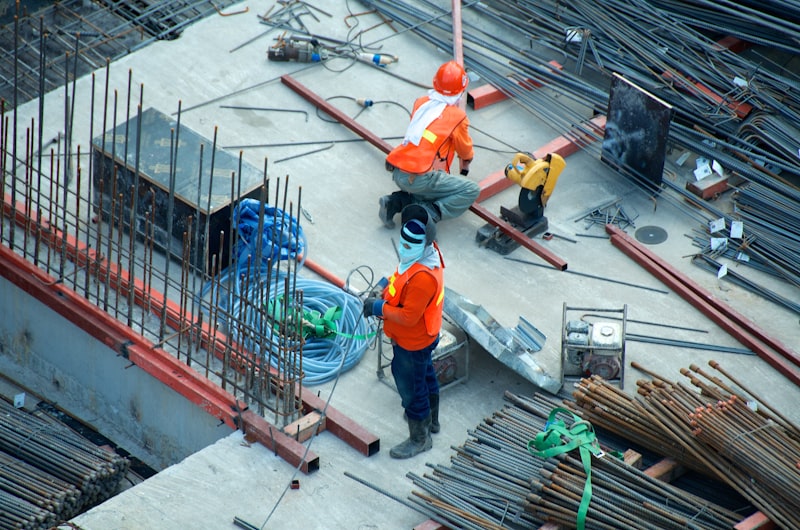
Building five world-class mega-cities simultaneously, while transforming the education system, healthcare system, economy, and social fabric of a country of 35 million people — all within 15 years — is an enormous execution challenge. Construction delays, cost overruns, and scope reductions have already been reported across several major projects. The original NEOM timelines have been scaled back. The Line, in particular, has seen significant downward revisions in early-phase ambitions.
Private Sector Development
The Vision's goal of increasing private sector participation is deeply challenging because it requires changing deep-rooted behavioral patterns. Many qualified Saudis still prefer government employment for its security, benefits, and social status. Building genuine private sector competitiveness — not just Saudization quotas — requires sustained effort in education, entrepreneurship culture, and regulatory environment over many years.
Human Rights Concerns
International human rights organizations and governments have raised serious concerns about the treatment of political dissidents, the suppression of civil society, and specific high-profile cases including the 2018 killing of journalist Jamal Khashoggi. These concerns create reputational risks for foreign investors and international partners who must balance economic opportunity against governance standards. The Vision's success depends in part on maintaining international trust and investment confidence.
Fiscal Sustainability
The Vision 2030 mega-projects require enormous amounts of capital upfront, with returns that will materialize over decades. In periods of lower oil prices, financing these investments while maintaining public services creates fiscal pressure. The Kingdom's Vision depends on oil revenues continuing to fund transformation even while trying to reduce oil dependence — a paradox that requires careful management.
Technology and Skills Gap
Many of Vision 2030's most ambitious goals — AI leadership, advanced manufacturing, renewable energy — require a highly skilled technical workforce that Saudi Arabia does not currently have in sufficient numbers. Building this capacity through education reform, international partnerships, and talent attraction is a long-term process that may constrain some of the faster-moving ambitions of the Vision.
Opportunities for Businesses and Professionals
For businesses, investors, and skilled professionals — whether inside Saudi Arabia or looking to engage with the Kingdom from abroad — Vision 2030 represents a historic window of opportunity across multiple sectors. The scale of transformation underway creates demand for expertise, capital, technology, and services that the Kingdom cannot yet fully supply from within.

- Construction and Engineering With hundreds of billions of dollars of mega-project construction underway, demand for engineering design, project management, structural engineering, MEP (mechanical, electrical, plumbing), and telecom infrastructure expertise is enormous. Saudi Arabia needs tens of thousands of qualified engineers and technical professionals.
- Technology and IT Digital transformation across government, finance, healthcare, education, and smart cities creates massive demand for software developers, cybersecurity specialists, data scientists, AI engineers, and digital transformation consultants. Riyadh has become one of the most active tech hiring markets in the region.
- Hospitality and Tourism Thousands of new hotels, resorts, restaurants, entertainment venues, and tourism experiences are being developed. Experienced hospitality professionals, chefs, resort managers, tourism product developers, and travel technology specialists are in high demand.
- Renewable Energy Saudi Arabia's ambitious renewable energy targets — including generating 50% of electricity from renewables by 2030 — are driving massive investment in solar, wind, and hydrogen projects. Engineers, project developers, and investors in clean energy have significant opportunities.
- Finance and Investment The growth of the Saudi financial sector, capital markets, venture capital ecosystem, and the PIF's global investment program creates opportunities for fund managers, investment bankers, financial analysts, and fintech entrepreneurs.
- Education and Training Vision 2030 requires massive upskilling of the Saudi workforce. Educational technology companies, training providers, professional certification bodies, and e-learning platforms have significant addressable market in the Kingdom.
- E-Commerce and Digital Marketing Saudi Arabia has one of the highest smartphone penetration rates and social media usage rates in the world. The e-commerce and digital marketing sectors are growing rapidly, creating opportunities for international brands, local entrepreneurs, and digital service providers.
- Healthcare Healthcare privatization and expansion is a major Vision 2030 theme. International hospital operators, medical technology companies, health insurance providers, telemedicine platforms, and pharmaceutical companies have significant growth opportunities in the Saudi market.
For Expatriates in the Kingdom: As someone working in Saudi Arabia, Vision 2030 directly shapes your professional landscape. The demand for experienced engineers and designers in telecom infrastructure, fiber optic networks, cable trays, and technical drawing — precisely your expertise — remains strong as the mega-projects require comprehensive infrastructure design across every discipline. The Kingdom needs people who understand both the technical requirements and the regional context.
Vision 2030 Milestones: A Decade of Transformation

Saudi Arabia Hosts the 2034 FIFA World Cup
Official Confirmation: On December 11, 2024, FIFA officially awarded Saudi Arabia the hosting rights for the 2034 FIFA World Cup — a major milestone in the Kingdom's global ambitions.
Saudi Arabia's successful bid to host the FIFA World Cup 2034 represents a major milestone in the Kingdom's global ambitions. The tournament is expected to accelerate infrastructure development, tourism growth, international investment, and global recognition built upon the foundations established through Vision 2030.
يمثل فوز المملكة العربية السعودية باستضافة كأس العالم لكرة القدم 2034 محطة تاريخية مهمة في مسيرة المملكة العالمية. ومن المتوقع أن يساهم الحدث في تعزيز البنية التحتية والسياحة والاستثمارات الدولية وتعزيز مكانة المملكة عالمياً استناداً إلى الإنجازات التي تحققت ضمن رؤية السعودية 2030.
What the 2034 World Cup Means for Saudi Arabia
Hosting the World Cup requires the construction and renovation of stadiums across multiple Saudi cities — Riyadh, Jeddah, Al Khobar (Eastern Province), Abha, and potentially NEOM. The FIFA-standard stadiums, training facilities, fan zones, media centers, and transportation infrastructure represent an enormous investment that directly accelerates Vision 2030's infrastructure targets.
The tournament is expected to bring millions of international visitors to the Kingdom over the course of the competition — providing the single largest tourism event in Saudi Arabia's history. The global television audience of over 5 billion viewers across 104 matches will give Saudi Arabia unprecedented international exposure as a modern, welcoming, and world-class destination.
Economically, analysis of previous World Cups suggests the host nation receives a significant long-term tourism uplift — visitors who discover the country during the tournament return as regular tourists. For Saudi Arabia, which is still building international tourism awareness, this exposure is strategically invaluable.

Stadiums and Host Cities
Saudi Arabia's World Cup bid includes stadiums across the country's major cities. Riyadh — as the capital and largest city — will host the bulk of matches including the final. The King Salman International Stadium, currently under development north of Riyadh, is designed to be the centrepiece venue. Jeddah's King Abdullah Sports City and the Eastern Province's Prince Mohammed bin Fahd Stadium are also part of the hosting plan. NEOM has been mentioned as a potential venue city — which would make it the first World Cup match ever played in a city still under construction at the time of the bid.
Challenges and International Scrutiny
The hosting decision has not been without controversy. Human rights organizations raised concerns about workers' rights, LGBTQ+ protections, and political freedoms. FIFA has included human rights requirements in the hosting agreement, and Saudi Arabia has made commitments around worker protections and inclusive fan policies for all supporters attending matches. How these commitments are honored in practice will be closely watched over the next decade of preparation.
The climate challenge is also real — June and July temperatures in Saudi Arabia regularly exceed 45°C. FIFA and Saudi officials have indicated the tournament may be moved to November–December to avoid extreme heat, similar to the 2022 World Cup in Qatar, or that fully air-conditioned stadiums and fan zones will be deployed at scale.
| English | العربية |
|---|---|
| FIFA World Cup 2034 — A Historic Milestone Saudi Arabia was officially awarded hosting rights for the 2034 FIFA World Cup on December 11, 2024. This marks the first time the Arab world will host consecutive World Cups — following Qatar 2022. The expanded 48-team tournament will play 104 matches across Saudi cities. | كأس العالم 2034 — إنجاز تاريخي حصلت المملكة العربية السعودية رسمياً على حق استضافة كأس العالم FIFA لعام 2034 في 11 ديسمبر 2024. وتُمثّل هذه الاستضافة المرة الأولى في التاريخ التي يحتضن فيها العالم العربي بطولتين عالميتين متتاليتين عقب قطر 2022. ستُقام 104 مباريات بمشاركة 48 منتخباً عبر مدن المملكة. |
| Economic and Tourism Impact The World Cup is expected to generate tens of billions of dollars in economic activity. Millions of international fans will visit Saudi Arabia, experience its culture and hospitality, and become long-term ambassadors for Saudi tourism worldwide. | الأثر الاقتصادي والسياحي من المتوقع أن تُولّد البطولة عشرات المليارات من الدولارات في النشاط الاقتصادي. سيزور ملايين المشجعين الدوليين المملكة، ليتعرفوا على ثقافتها وكرمها، ويصبحوا سفراء دائمين للسياحة السعودية حول العالم. |
| Infrastructure Legacy Stadiums, transport networks, hotels, and smart infrastructure built for 2034 will serve Saudi Arabia for decades — every venue and metro line is simultaneously a World Cup asset and a Vision 2030 investment. | الإرث التحتي ستخدم الملاعب وشبكات النقل والفنادق والبنية التحتية الذكية المشيَّدة لعام 2034 المملكةَ لعقود مقبلة. فكل ملعب وخط مترو هو في الوقت ذاته أصل لكأس العالم واستثمار صريح في رؤية 2030. |
| Vision 2030 and the World Cup — Perfect Alignment The 2034 World Cup is not separate from Vision 2030 — it is its most visible and time-bound proof of concept. It demands world-class delivery by a fixed global deadline. For Saudi Arabia, the beautiful game and the bold vision are one and the same. | رؤية 2030 وكأس العالم — توافق مثالي لا يُعدّ كأس العالم 2034 حدثاً منفصلاً عن رؤية 2030، بل هو أكثر إثباتاتها حضوراً عالمياً وأشدّها إلزاماً بموعد محدد. إنه يُلزم المملكة بتقديم إنجاز عالمي المستوى في أجل لا يقبل التأجيل. كرة القدم والرؤية الطموحة وجهان لعملة واحدة. |
Hosting the FIFA World Cup in 2034 is the world's endorsement of Saudi Arabia's transformation — a once-in-a-generation opportunity to share our culture, our hospitality, and our vision with billions of people.
— Saudi Vision 2030 Sports Strategy
The Kingdom in 2030 and Beyond: What to Expect
As we approach the Vision 2030 target year, the honest assessment is this: Saudi Arabia will not achieve every single goal on the original timeline. Some mega-projects will be delayed. Some targets will be partially met rather than fully achieved. This is the reality of any transformation program of this scale and ambition.
But the more important question is not whether Saudi Arabia will hit every specific KPI by December 31, 2030. The more important question is whether the Kingdom is fundamentally, irreversibly different from what it was in 2016 — and the answer to that question is unambiguously yes.
Saudi Arabia has crossed rubicons that cannot be uncrossed. Women drive, work, and lead in ways that were unthinkable a decade ago. Millions of tourists visit a country that was effectively closed to them. A generation of young Saudis has grown up with cinemas, concerts, mixed-gender public spaces, and the expectation that their country will be a global player in technology, culture, and innovation. These social changes have a momentum of their own that will continue regardless of specific project timelines.
The economic transformation, while slower than the social reforms, is equally real. The PIF's global influence continues to grow. Non-oil sectors — technology, tourism, entertainment, financial services, manufacturing — are generating real economic activity and real jobs. The diversification of the economy, while incomplete, is genuinely underway.
For businesses, investors, and professionals, the key insight is this: the window of opportunity that Vision 2030 has created is real, it is large, and it . The early movers — companies and individuals who engaged seriously with Saudi Arabia during this transformation period — are positioning themselves for decades of influence in one of the most important markets in the world.

We will not allow our country to be at the mercy of commodity price volatility or external pressures. Saudi Arabia's strength will come from the genius of our people and the diversity of our economy.
— Vision 2030 Strategic Framework
Whether you are an engineer, a technologist, an entrepreneur, an investor, or simply someone trying to understand one of the most consequential geopolitical and economic stories of our time — Saudi Vision 2030 deserves your serious attention. The Kingdom of Saudi Arabia is betting its future on transformation. And the early evidence suggests that bet is paying off.
تعيد رؤية السعودية 2030 تشكيل وجه المملكة الاقتصادي والاجتماعي بصورة لا رجعة فيها. وسواء تحققت كل الأهداف في موعدها المحدد أم لا، فإن التحولات الجوهرية قد بدأت وتسير بثبات نحو بناء مملكة أكثر تنوعاً وانفتاحاً وتنافسية على الصعيد العالمي. إن المستقبل الذي تبنيه المملكة اليوم هو مستقبل يستحق المتابعة والمشاركة الفاعلة.
Discover AI tools, digital products, affiliate resources, and deep-read articles on business, technology, and investment opportunities in Saudi Arabia and beyond.
Browse All Articles →