FIFA World Cup 2026 Final: Date, Venue, Format and the Road to Football's Biggest Match
On July 19, 2026, MetLife Stadium in East Rutherford, New Jersey, will host the single most-watched sporting event on Earth — the FIFA World Cup Final. Here is everything you need to know about the match, the venue, the history behind it, and why this final is unlike any that has come before it.
Quick Facts: FIFA World Cup 2026 Final
| Detail | Information |
|---|---|
| Competition | FIFA World Cup 2026 |
| Organizer | FIFA (Fédération Internationale de Football Association) |
| Hosts | United States, Canada & Mexico |
| Final Date | Sunday, July 19, 2026 |
| Final Stadium | MetLife Stadium, East Rutherford, New Jersey |
| Number of Teams | 48 |
| Number of Matches | 104 |
| Tournament Format | 12 groups of 4 → Round of 32 → Round of 16 → Quarterfinals → Semifinals → Final |
Introduction: The Final Countdown Begins
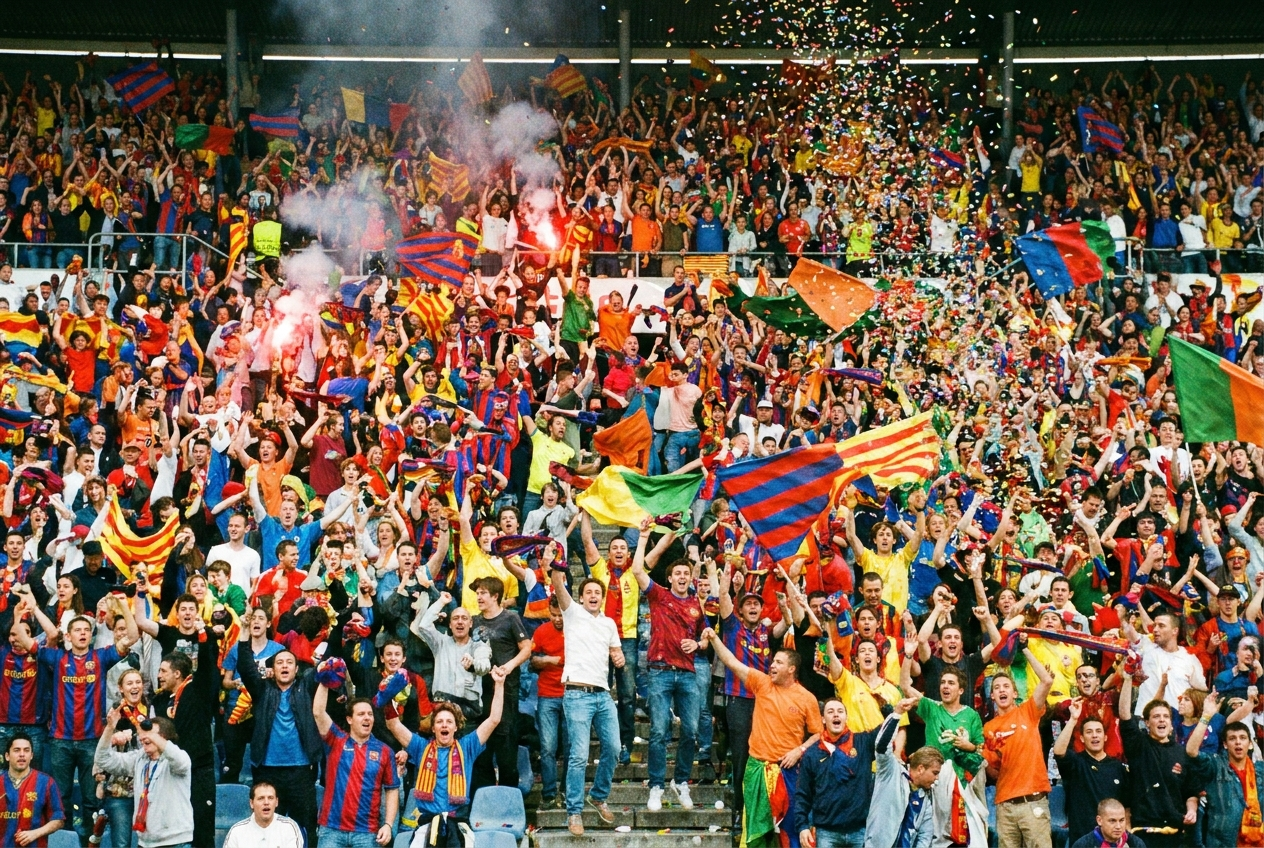
Every four years, football produces one match that stops the planet. Bars fill up before sunrise in some time zones and stay open past midnight in others. Office productivity dips. Entire cities paint themselves in national colors. That match is the FIFA World Cup Final, and in 2026 it arrives with a level of scale, history, and anticipation the sport has never seen.
This year's tournament — jointly hosted by the United States, Canada, and Mexico — has already rewritten the record books with 48 teams and 104 matches. Now it is down to the last act. Two nations, one trophy, ninety minutes (or more) to decide who becomes football's newest world champion.
This complete guide covers everything about the 2026 final: the significance of the match itself, the history that leads into it, the stadium that will host it, the tactics and storylines shaping it, and what happens once the final whistle blows. For the bigger tournament picture — teams, stadiums, host cities, and the full 48-team format — see our complete FIFA World Cup 2026 guide. For how the knockout rounds unfolded, revisit our Round of 16 fixtures and results coverage.
Why the World Cup Final Is the Biggest Match in Football
No other single fixture in world sport carries the combined weight of history, national pride, and individual legacy that the World Cup Final does. A Champions League final crowns the best club side in Europe. A Super Bowl decides a domestic champion. The World Cup Final decides which nation, out of nearly 200 that entered qualifying, is the best in the world — for the next four years, and permanently in the history books.
Unlike league football, there is no return leg, no second chance, and no next matchday to make amends. It is the purest form of knockout pressure the sport offers. Players who have spent entire careers chasing this moment get one shot at it, on a stage watched by a global audience that dwarfs almost anything else broadcast television produces.
What Sets the Final Apart
- The only World Cup match with no tomorrow — win it or wait four more years
- Decided by extra time and penalties if level after 90 minutes, with no replays
- Watched by a larger cumulative global audience than any other annual sporting event
- The result is permanent — only eight nations in history have ever lifted the trophy
- Followed by a separate third-place play-off between the losing semifinalists
The Importance of the FIFA World Cup
Football is the world's most popular sport, played and followed in nearly every country on Earth, and the World Cup is the one event capable of uniting that entire audience around a single competition. It transcends club rivalries, political divides, and language barriers in a way few other institutions can. For 39 days, national identity briefly overrides everything else that separates fans, and for the 90-plus minutes of the final, the whole world tends to be watching the same match at the same time.
Beyond the emotional pull, the World Cup carries enormous cultural and commercial weight. It launches careers, cements legacies, and produces moments — a save, a strike, a penalty — that get replayed for decades. It is also, quite simply, the biggest stage football has to offer, which is exactly why the final matters more than any other match on the calendar.
History Leading to the 2026 Final
The World Cup Final has produced some of the greatest moments in sporting history — dramatic penalty shootouts, last-minute winners, and performances still discussed decades later. Understanding that history helps put 2026 in context.
| Year | Venue | Result |
|---|---|---|
| 1994 | Rose Bowl, Pasadena, USA | Brazil won on penalties after 0–0 |
| 1998 | Stade de France, Saint-Denis | France 3–0 Brazil |
| 2002 | International Stadium, Yokohama | Brazil 2–0 Germany |
| 2006 | Olympiastadion, Berlin | Italy won on penalties after 1–1 |
| 2010 | Soccer City, Johannesburg | Spain 1–0 Netherlands (AET) |
| 2014 | Maracanã, Rio de Janeiro | Germany 1–0 Argentina (AET) |
| 2018 | Luzhniki Stadium, Moscow | France 4–2 Croatia |
| 2022 | Lusail Stadium, Qatar | Argentina won on penalties after 3–3 |
| 2026 | MetLife Stadium, New Jersey | Upcoming — July 19 |
The 2022 final in Qatar, where Argentina beat France on penalties after a stunning 3–3 draw, is widely regarded as the greatest World Cup Final ever played. It set an extraordinarily high bar. Now, four years on, a new pair of finalists will attempt to write their own chapter — on a different continent, under a completely new tournament format.
💡 Did You Know?
The 1994 final at the Rose Bowl remains the only World Cup Final decided entirely by penalties after a scoreless 120 minutes — Brazil beat Italy without a single goal being scored in normal or extra time.
The World Cup's Expansion Timeline
The 48-team, three-nation format arriving in 2026 is the product of nearly a century of gradual growth. Here is how the tournament reached this point:
Uruguay hosts and wins the inaugural tournament with 13 teams, launching what would become the world's biggest sporting event.
For most of five decades, the World Cup settled into a 16-team format as the tournament's global reach steadily grew.
Spain 1982 becomes the first 24-team World Cup, opening the door to more nations from Africa, Asia, and CONCACAF.
The United States hosts for the first time, setting a still-standing attendance record. Mexico had already hosted in 1970 and 1986, making 2026 North America's fourth World Cup overall.
France 1998 introduces the 32-team format that would define the tournament for the next six editions, through Qatar 2022.
The United States, Canada, and Mexico jointly stage the largest World Cup ever — the first three-nation hosting arrangement, and Canada's first World Cup as a host nation.
For a deeper look at how the three hosts divided stadiums and match allocations, see our FIFA World Cup 2026 host cities breakdown.
Tournament Overview: Why 2026 Is Historic
The 2026 edition is unlike anything the tournament has produced in its near-century of history. It is the first World Cup jointly staged by three nations, the first to feature 48 teams instead of 32, and the first to include a Round of 32 in the knockout bracket.
Every one of those 104 matches — every group game, every knockout tie — has been building toward a single afternoon at MetLife Stadium. The 12 group winners and 12 runners-up advance automatically, joined by the 8 best third-placed teams to complete the 32-team Round of 32 bracket. FIFA has also confirmed a significantly increased overall prize fund for the expanded format compared with Qatar 2022's $440 million total pool, with official confirmed figures published on FIFA.com ahead of the tournament. For the complete breakdown of teams, stadiums, and the tournament's full format, our FIFA World Cup 2026 guide covers it in depth.
Qatar 2022 vs. FIFA World Cup 2026: By the Numbers
| Tournament | Teams | Matches | Hosts |
|---|---|---|---|
| Qatar 2022 | 32 | 64 | 1 (Qatar) |
| FIFA World Cup 2026 | 48 | 104 | 3 (USA, Canada & Mexico) |
The jump from 32 to 48 teams — a 50% increase — adds an entirely new knockout round and 40 additional matches compared with Qatar. Spreading the tournament across three countries also solves a logistical challenge no single host nation could realistically handle alone: finding enough world-class stadiums, training facilities, and hotel capacity for a tournament this size.
Host Countries: A Shared North American Stage
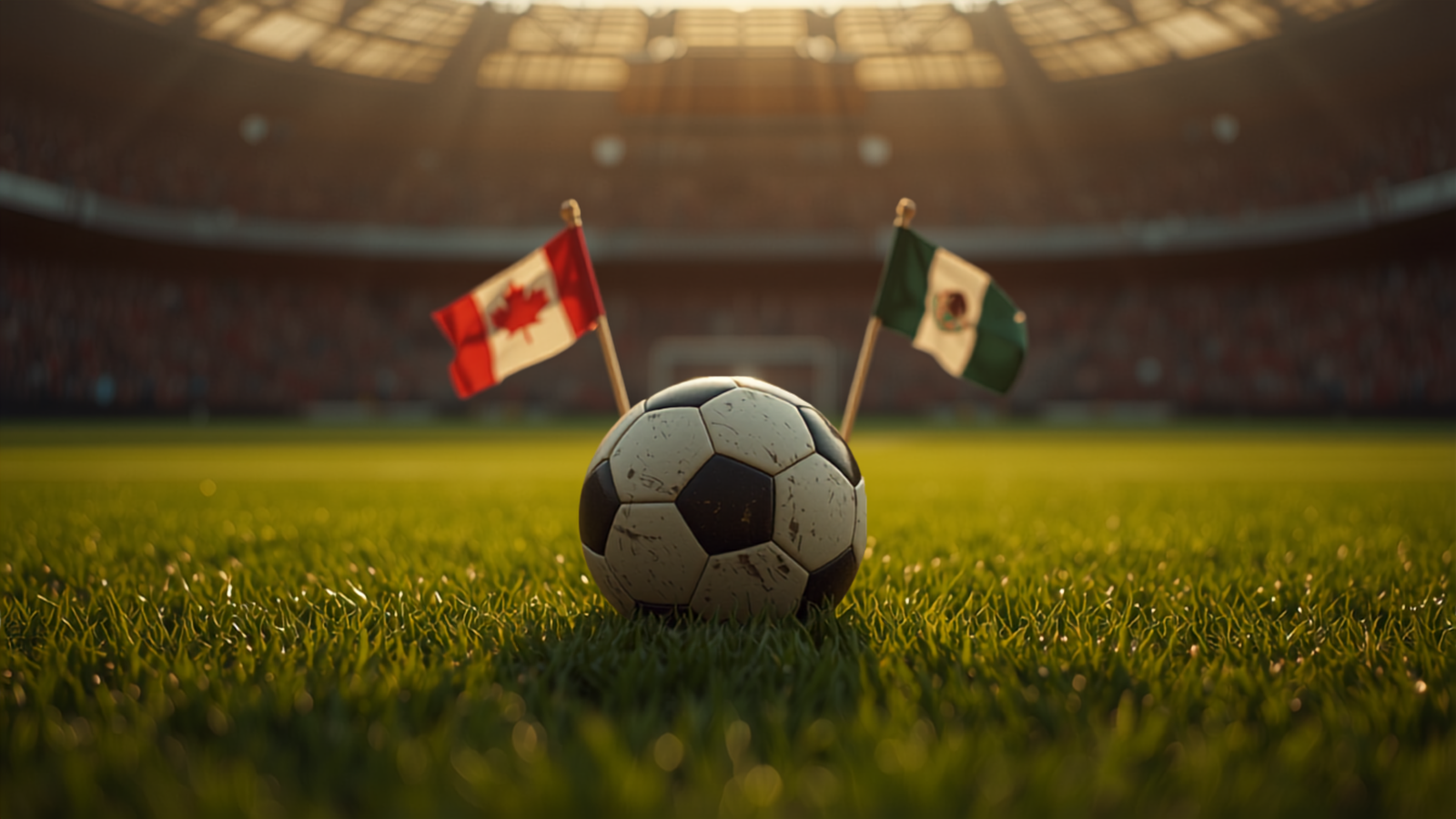
The United States, Canada, and Mexico have shared hosting duties across the tournament, with the USA staging the majority of matches — including the final. This marks the first time in World Cup history that three countries have co-hosted, and it reflects just how far the sport has grown across North America since the USA's last solo hosting stint in 1994.
While the group stage and early knockout rounds were spread across all three nations — from Estadio Azteca in Mexico City to BC Place in Vancouver — the tournament's biggest matches, including the final, were always destined for the United States, home to 11 of the 16 host cities. A full breakdown of every host city and stadium is available in our World Cup 2026 guide.
MetLife Stadium: The Final's Grand Stage
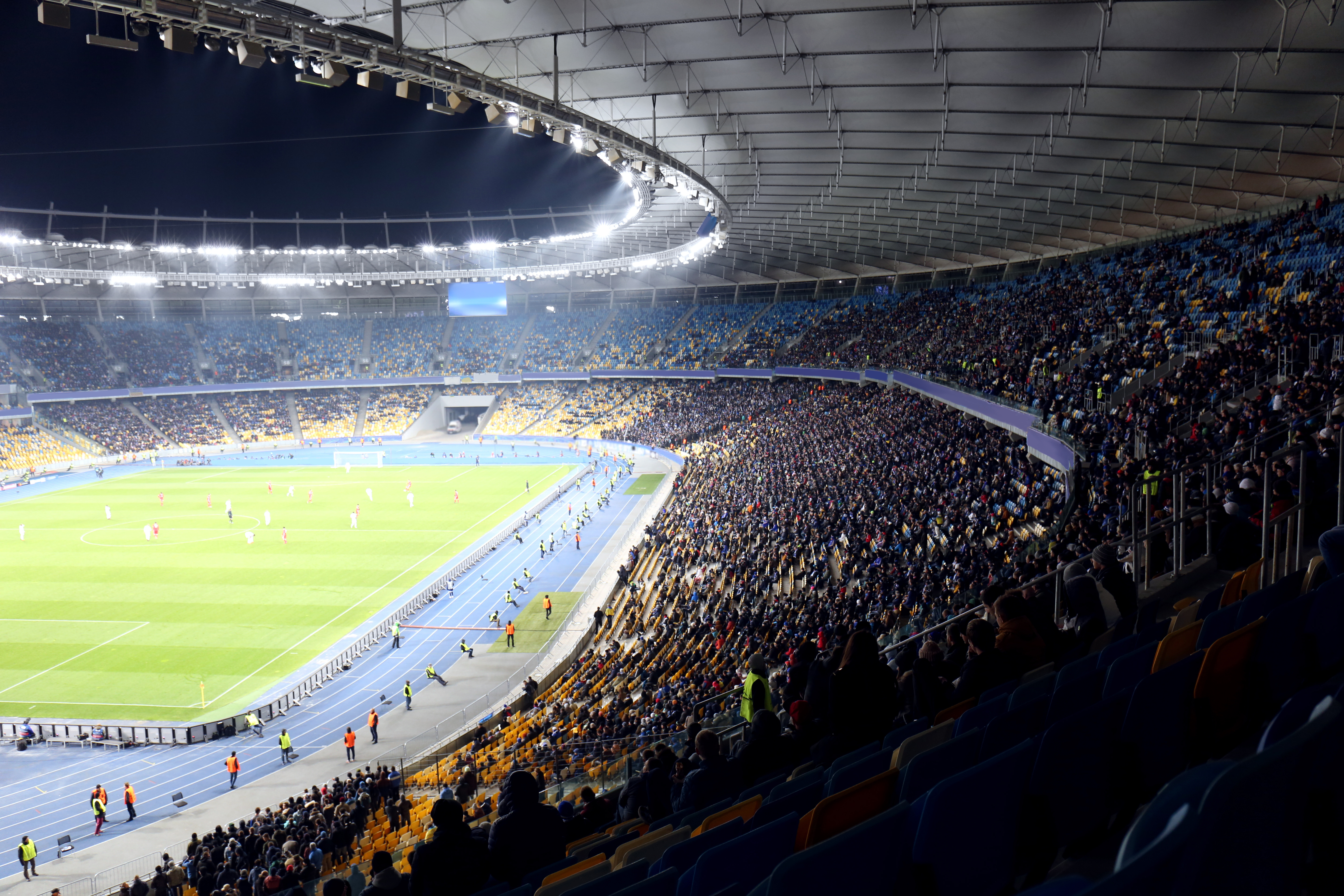
MetLife Stadium, located in East Rutherford, New Jersey, just outside New York City, is the largest stadium in the United States with a capacity of 82,500. Home to the NFL's New York Giants and New York Jets, it was selected by FIFA as the venue for the 2026 final — a decision that places the sport's biggest match in the middle of the largest media and sports market in North America.
| Detail | Information |
|---|---|
| Stadium | MetLife Stadium |
| Location | East Rutherford, New Jersey, USA |
| Capacity | 82,500 |
| Regular Tenants | New York Giants & New York Jets (NFL) |
| Role in 2026 | Final Host |
The New York metropolitan area's sheer scale — combined with easy access for international fans flying in from around the world — made MetLife a natural choice for football's grandest occasion. Expect the stadium and the surrounding fan zones to be at capacity well before kickoff.
The Final Date: July 19, 2026
📅 Key Date to Remember
- Final: Sunday, July 19, 2026
- Venue: MetLife Stadium, East Rutherford, New Jersey
- Kickoff: Afternoon, Eastern Time — check FIFA's official schedule for confirmed local times across time zones
- Tournament span: June 11 – July 19, 2026 (39 days)
The final falls on the last day of a tournament calendar that began with the opening match at Estadio Azteca in Mexico City on June 11. Across five and a half weeks, the field narrowed from 48 nations to two, with every match adding another layer of drama to the buildup at MetLife Stadium.
Tournament Format Summary
The path to the final runs through six stages — one more than any previous World Cup, a direct result of the expanded 48-team field.
📊 Tournament Fact
The Round of 32 has never existed at a World Cup before 2026. It exists purely because of the expansion to 48 teams — the tournament needed an extra knockout round to trim the field before the traditional Round of 16 begins.
Every stage from the Round of 32 onward is single-elimination: a draw after 90 minutes means 30 minutes of extra time, and a penalty shootout if the score is still level. For the complete rules, qualification breakdown by confederation, and group-stage explainer, see the full tournament format guide.
The Road to the Final

Reaching the World Cup Final is one of the hardest achievements in sport. Each finalist had to survive three group-stage matches, then win four consecutive knockout ties — the Round of 32, Round of 16, quarterfinal, and semifinal — without a single slip. One bad night, one moment of individual brilliance from an opponent, and the run ends.
The Round of 16 in particular reshaped this tournament's story, eliminating several pre-tournament favorites and confirming others as genuine title contenders. We covered every one of those matches — fixtures, qualified teams, and results — in our Round of 16 fixtures and live updates coverage. From there, the survivors moved through the quarterfinals and semifinals to earn their place in the final at MetLife Stadium.
It's worth remembering just how unforgiving this format is. Of the 48 teams that arrived in June, only two remain. Everyone else — including sides many expected to go all the way — has already gone home.
A Global Audience Like No Other
Few events on the planet command the kind of collective attention the World Cup Final does. The 2022 final between Argentina and France reportedly drew a cumulative global audience well in excess of a billion viewers across broadcast and streaming platforms — and that was before the World Cup's expansion to 48 teams and its arrival in the massive North American media market.
With the final held in the New York metropolitan area — the largest media market in North America — and streamed across an ever-growing number of digital platforms worldwide, the 2026 final is positioned to be among the most-watched single sporting events ever broadcast.
Economic Impact of the World Cup Final
Hosting the World Cup Final carries substantial economic weight for the region and country involved. FIFA-commissioned economic impact studies published ahead of the tournament projected the 2026 World Cup as a whole could generate tens of billions of dollars in economic activity across the three host nations, along with significant job creation tied to construction, hospitality, tourism, and event operations.
For the New York/New Jersey area specifically, hosting the final means an influx of international visitors, heightened hotel and travel demand, and a global media spotlight that extends well beyond matchday itself. Host city organizing committees have spent years preparing infrastructure, transit, and security operations for the surge in attendance the final is expected to bring.
Football Legacy: What Winning It All Means

In the tournament's near-century of history, only eight nations have ever lifted the World Cup: Uruguay, Italy, Germany, Brazil, England, Argentina, France, and Spain. Joining that list is one of the rarest achievements in sport — rarer than winning a Champions League, a Super Bowl, or an Olympic gold medal, simply because the opportunity comes around only once every four years and only 32 or 48 nations even get the chance to compete for it.
For players, a World Cup winner's medal is the single achievement that separates the merely great from the immortal. For host nations, staging — and potentially winning — the final can define a sporting generation. Six host nations in World Cup history have won on home soil: Uruguay (1930), Italy (1934), England (1966), West Germany (1974), Argentina (1978), and France (1998). Whether a host nation joins that list again in 2026 remains one of this tournament's most compelling storylines.
🏅 World Cup Record
Brazil holds the record for the most World Cup titles with five, followed by Germany and Italy with four each. Whichever nation wins in 2026 will be chasing a different kind of record entirely — becoming the first-ever champion of the 48-team era.
What Makes This Final Different
Every World Cup Final is historic in its own right, but 2026 carries a distinct set of firsts that separate it from every final that came before it:
First-of-Their-Kind Milestones for the 2026 Final
- The first final of the expanded 48-team era, following a longer and more grueling six-round knockout path
- The first World Cup Final in the United States since 1994 — and the first ever at MetLife Stadium
- The first final of a tournament jointly hosted by three nations
- Played in front of the largest potential in-market broadcast audience in World Cup history
- The culmination of a record 104-match tournament, nearly double the 2022 edition
Those factors alone make this final worth watching regardless of who ultimately takes the field. The format is new, the stage is new, and the stakes — as always — are as high as football gets. That knockout gauntlet is covered in full in our Round of 16 fixtures and results coverage, which tracked every twist on the way to this final.
Frequently Asked Questions — FIFA World Cup 2026 Final
When is the FIFA World Cup 2026 Final?
Where is the World Cup 2026 Final being played?
How do teams reach the World Cup 2026 Final?
Has a host nation ever won the World Cup?
Is this the first World Cup Final in the United States since 1994?
What time does the World Cup 2026 Final kick off?
How many teams and matches make up the 2026 World Cup?
What is the Round of 32, and why is it new for 2026?
How many third-placed teams advance to the knockout rounds?
Has the World Cup Final ever been played in North America before?
What happens if the World Cup 2026 Final is level after 90 minutes?
Is there a third-place match at the World Cup?
How much prize money is awarded at the FIFA World Cup 2026?
Where can I find the Round of 16 results for World Cup 2026?
Where can I read the full FIFA World Cup 2026 guide?
What is the FIFA World Cup trophy?
What awards are given out at the FIFA World Cup?
How did teams qualify for the 2026 World Cup?
Where can I watch the FIFA World Cup 2026 Final?
Will the World Cup 2026 Final be available to stream online?
What time zone should I watch the World Cup 2026 Final in?
Is there a trophy presentation ceremony after the final?
What happens to the runner-up team after the final?
Where will the next FIFA World Cup be held after 2026?
What is the long-term legacy of hosting the World Cup?
Coming Up in Part 2
We've covered why this final matters, the history behind it, the stadium hosting it, and the six-stage gauntlet every finalist had to survive. In Part 2, we turn to the match itself — the finalists' paths through the knockout rounds, key players to watch, tactical breakdowns, and how each side arrived at MetLife Stadium.
📖 Continue reading below ↓What the Road to the Final Reveals
Every team that reaches a World Cup Final has already answered the toughest questions the tournament can ask. Surviving three group matches and four rounds of sudden-death knockout football tells you more about a side than any pre-tournament ranking ever could. By the time a team walks out at MetLife Stadium, it has been tested for penalty composure, squad depth, mental resilience under a hostile crowd, and the ability to grind out a result when the football itself isn't flowing.
That is what makes final-day analysis so different from a normal preview. There is no more "potential" left to evaluate — only evidence. Every finalist has already proven it can win when it matters, which is precisely why finals are so often decided by fine margins rather than clear class differences. For a full breakdown of how the bracket narrowed from 32 teams to the final two, our Round of 16 fixtures and results coverage tracked the tournament's decisive knockout swings in real time.
Tactical Analysis: What Wins a World Cup Final
World Cup Finals rarely reward risk-taking for its own sake. The teams that go all the way tend to be the ones that solved a simple equation across seven matches: control the match without conceding unnecessary ground, and punish the moments when the opponent does. That balance looks different depending on personnel, but the underlying principle — game management over pure attacking ambition — shows up again and again in the tournament's history.

Expect both finalists to have spent the days leading into the match dissecting video of their opponent's knockout-round performances: pressing triggers, set-piece routines, substitution patterns, and how the opposing coaching staff has reacted when trailing. In a one-off final, in-game adjustments — a formation tweak at halftime, a defensive substitution to protect a lead, a change of tempo when legs start to tire in extra time — often matter more than the starting shape on the teamsheet.
Managers' Strategies: The Chess Match Behind the Match
The manager's job in a World Cup Final is as much psychological as tactical. Recent winning coaches have shared a common trait: the ability to keep a squad calm and focused through weeks of mounting external pressure while still making bold in-game calls when required. Substitutions in extra time, penalty-taker selection, and how a coach manages a player carrying a knock from the semifinal are all decisions made under a level of scrutiny no club match replicates. Whichever two managers reach MetLife Stadium will have already proven they can handle that scrutiny — it is, after all, why their teams are still standing.
Team Strengths and Weaknesses at the Final Stage
By the final, there are no hidden weaknesses left. Every remaining team has been scouted exhaustively by the other, and both coaching staffs will know precisely where their opponent is strongest and where they are vulnerable — a tired full-back, a goalkeeper slightly weaker on crosses, a midfield that tires after 70 minutes. What separates finalists from the teams that fell in the quarterfinals or semifinals usually isn't the absence of weaknesses, but the ability to protect them under pressure.
🧬 The Finalist DNA
- A genuinely world-class goalkeeper capable of a match-defining save
- At least one individual capable of creating something from nothing
- A settled defensive unit that has conceded sparingly through the knockout rounds
- Tournament experience — squads with players who have been through a shootout before
- Bench depth strong enough to change a game without dropping off in quality
The Battle in Midfield and Defense
The Midfield Battle
Central midfield is where most World Cup Finals are quietly decided long before the scoreline reflects it. Whichever team wins the fight for second balls, controls tempo, and denies the opponent's creative players time on the ball tends to dictate the rest of the match. Recent finals have been shaped by exactly this kind of midfield control — think of the double pivots and box-to-box engines that allowed their teams to both defend and transition at pace. Expect both finalists' midfield pairings or trios to have been the subject of enormous tactical preparation this week.
Defensive Organization Under the Brightest Lights
Clean sheets win knockout football. Teams that reach a World Cup Final have almost always done so while conceding at a lower rate than their rivals across the tournament — a product of organized defensive shape as much as individual quality. Expect deep analysis of back-line partnerships, how each side defends set-pieces, and whether either team favors a high defensive line that could be exploited by pace in behind. In a match this significant, defensive discipline for 90-plus minutes is often the difference between lifting the trophy and losing on the smallest of margins.
Attacking Threats and Set-Pieces
Attacking Approaches: Turning Chances into Goals
Finals are rarely goal-fests. Knockout football encourages caution, and both teams know that a single mistake can end the match. That means clinical finishing matters more than volume of chances — the team that converts one clear opportunity often wins games that never produce many clear opportunities at all. Whether a finalist leans on rapid counter-attacking transitions, patient possession-based buildup, or direct wing play usually comes down to where their most dangerous individual talent operates on the pitch.
Set-Pieces: The Great Equalizer
Corners, free kicks, and penalties have decided some of the most significant moments in World Cup history, and finals are no exception. A well-drilled set-piece routine can unlock even the most disciplined defense, which is why elite international squads now employ dedicated set-piece coaches. Expect both finalists to have spent real training time on both delivering and defending dead-ball situations — often the most rehearsed passages of an entire tournament.
Goalkeepers: The Final's Last Line of Defense
No position carries more weight in a World Cup Final than goalkeeper. A single save can be the difference between a nation celebrating and a nation heartbroken, and recent finals have been defined as much by goalkeeping heroics as by outfield brilliance — extraordinary shot-stopping and penalty-saving performances have turned goalkeepers into folk heroes inside a single afternoon. Beyond shot-stopping, the modern international goalkeeper is also expected to be comfortable with the ball at their feet, capable of starting attacks under pressure from an opponent's high press.

If the final does go to penalties, goalkeeping preparation becomes its own separate contest — years of data on opposing penalty-takers, practiced dives, and nerve. Few roles in football carry that much responsibility compressed into a handful of seconds.
Squad Depth, Fitness and Recovery
Squad Depth After Seven Grueling Matches
Reaching the final under the expanded 48-team format means playing one more knockout match than any previous World Cup finalist has had to survive, thanks to the new Round of 32. That extra round adds real physical toll, and by the final, squad depth becomes as important as the starting eleven. Coaches must balance freshness against continuity — rotating too much risks losing rhythm, while sticking with tired legs risks injury or a drop in intensity exactly when it matters most. As covered in our full FIFA World Cup 2026 guide, the tournament's expanded format was always going to test squad depth more than any World Cup before it.
Fitness and Recovery Heading Into the Final
North American summer heat and travel across time zones between host cities add another layer of physical demand. Sports science staffs — nutritionists, physiotherapists, sleep specialists — work around the clock in the days before a final to have players peaking at exactly the right moment. Recovery protocols between the semifinal and the final are compressed into a matter of days, meaning even small niggles picked up in the previous round can become selection dilemmas by kickoff.
Mental Preparation and Match-Day Pressure
Mental Preparation: The Psychological Battle
The World Cup Final is, in many ways, decided before kickoff — in how well each squad has managed the psychological weight of the occasion. Sports psychologists are now standard staff for major international teams, working on everything from penalty-taking routines to simply helping players sleep in the nights before the biggest match of their careers. Players who have been through a World Cup knockout shootout before often talk about how different the mental preparation feels compared with a normal club fixture.
Handling the Occasion
Walking out at MetLife Stadium in front of 82,500 fans and a global television audience is unlike anything most players will experience in their careers. Pre-match routines, familiar teammates, and trusted staff around them all help re-create a sense of normalcy inside an abnormal occasion. How a team handles the first ten minutes — the nerves, the noise, the weight of expectation — often sets the tone for the rest of the match.
Fan Atmosphere at MetLife Stadium
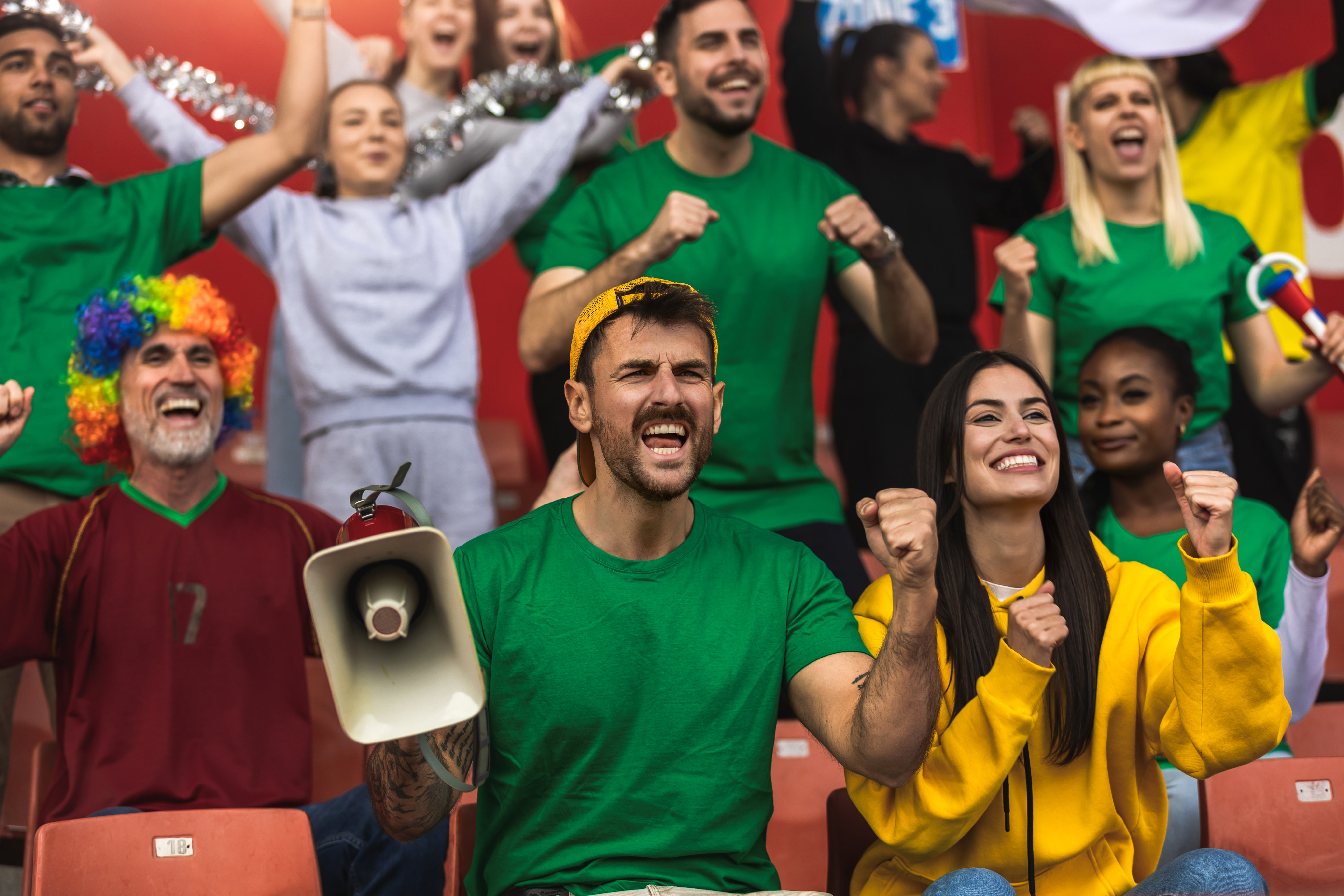
A World Cup Final crowd is unlike any other in football. Expect a global mix of supporters, dignitaries, and celebrities inside MetLife Stadium's 82,500 seats, with fan zones across the New York metropolitan area drawing hundreds of thousands more who won't have tickets but want to be part of the occasion regardless. Ticket demand for a World Cup Final routinely outstrips supply many times over, meaning the crowd inside the stadium itself will be a genuinely international one rather than dominated by either finalist's traveling support alone.
Outside the stadium, host city fan festivals broadcast the match on giant screens, turning the surrounding area into an extension of the atmosphere inside. For many supporters without tickets, that communal outdoor experience is the closest they will get to being part of football history in person.
The Small Moments That Decide World Cup Finals
For all the tactical preparation, World Cup Finals are frequently decided by moments no game plan can fully account for. History is full of them: Diego Maradona's brilliance and controversy in 1986, Zinedine Zidane's stunning red card in the 2006 final, Andrés Iniesta's late strike that won Spain the trophy in 2010, Mario Götze's extra-time volley that separated Germany and Argentina in 2014, and Emiliano Martínez's penalty-shootout heroics in 2022. None of those moments were fully predictable — they were the product of composure, instinct, and a fraction of a second, arriving at exactly the moment a nation's hopes hung in the balance.
⚡ Fine Margins
- A goalkeeper guessing the right way on a penalty
- A defender's last-ditch recovery run
- A substitute's fresh legs finding a gap tired defenders can't close
- A set-piece routine practiced hundreds of times finally working
- One moment of individual brilliance nobody could have scouted for
That unpredictability is exactly why, even after seven matches of evidence, nobody can say with certainty how the 2026 final will unfold.
Coming Up in Part 3
We've covered the tactical, physical, and psychological factors that shape a World Cup Final — from midfield battles and goalkeeping heroics to the fine margins that so often decide the biggest match in football. In Part 3, we turn to matchday itself: the pre-match ceremonies, how to watch or follow along, the broadcast and ticketing details fans need to know, and the storylines worth tracking as kickoff approaches at MetLife Stadium.
📖 Continue reading below ↓World Cup Final History: The Moments That Defined Football
No match in football carries more accumulated history than the World Cup Final. Since Uruguay hosted and won the first tournament in 1930, the final has produced moments that transcend the sport itself — goals, saves, and images replayed for generations. Understanding that history is part of understanding what's at stake at MetLife Stadium on July 19, 2026.
Greatest World Cup Finals
Certain finals are remembered less for their scoreline and more for the football itself. Brazil's 4–1 win over Italy in 1970 is still cited as the greatest team performance in World Cup Final history, capped by Carlos Alberto's sweeping fourth goal — widely regarded as one of the finest team goals ever scored. The 1986 final saw Diego Maradona's Argentina edge West Germany 3–2 after nearly surrendering a two-goal lead. And the 2022 final between Argentina and France, a 3–3 draw after extra time won by Argentina on penalties, is now widely considered the single greatest World Cup Final ever played, largely because of Kylian Mbappé's extraordinary hat-trick for the losing side.

Famous Winning Goals & Historic Moments
Some goals have become permanently attached to the tournament's identity. Zinedine Zidane's two headers carried France to their first title in 1998. Andrés Iniesta's extra-time strike in 2010 gave Spain their only World Cup, arriving in the 116th minute of a tense, goalless final. Mario Götze's first-touch volley settled the 2014 final for Germany deep into extra time against Argentina. Not every historic moment was a goal — Zidane's sending-off for a headbutt on Marco Materazzi in the 2006 final remains one of the most talked-about incidents in the competition's history, overshadowing what had been a fine individual tournament for the French captain.
Legendary Captains, Celebrations and Trophy Lifts
Lifting the World Cup has produced some of sport's most iconic images. Pelé was carried off the pitch on team-mates' shoulders after Brazil's 1970 triumph. Cafu remains the only player to appear in three consecutive World Cup Finals (1994, 1998, 2002), captaining Brazil to their fifth title in the last of those. Franz Beckenbauer lifted the trophy as West Germany's captain in 1974 before doing it again as head coach in 1990 — one of only three men in history to win the World Cup as both player and coach, alongside Brazil's Mário Zagallo and France's Didier Deschamps. And Lionel Messi's moment in 2022, lifting the trophy while wearing the traditional Qatari bisht presented by the country's Emir, instantly became one of the most photographed images in football history. National celebrations that follow are just as memorable — Paris shut down the Champs-Élysées after France's 1998 win, and Argentina's 2022 homecoming parade drew what was widely reported to be among the largest public gatherings in the country's history.

World Cup Final Records
Beyond the football itself, the World Cup Final has produced a set of records that have stood for decades — some dating back to the tournament's earliest years. Here is where the record books currently stand heading into the 2026 final.
| Record | Detail |
|---|---|
| Biggest Final Victory | 3-goal margin (achieved three times: 1958, 1970, 1998) |
| Highest Attendance | 1950 title-deciding match, Brazil v Uruguay — officially recorded at 173,850 |
| Most Goals in a Single Final | 7 combined — Brazil 5–2 Sweden, 1958 |
| Most Final Appearances (Player) | Cafu (Brazil) — three consecutive finals, 1994–2002 |
| Youngest Player to Win | Pelé (Brazil), 17 years old, 1958 |
| Oldest Player to Win | Dino Zoff (Italy), 40 years old, 1982 |
| Most World Cup Titles (Nation) | Brazil, 5 titles |
| Most Final Appearances (Nation) | Germany, 8 final appearances |
The 1950 fixture technically wasn't a standalone knockout final — that tournament decided its champion via a final group round — but the Brazil–Uruguay decider remains the most-attended match in World Cup history and is commonly referenced alongside true finals.
Legendary World Cup Final Players
Certain names are inseparable from World Cup Final history. Their performances on the sport's biggest stage didn't just win trophies — they defined eras of the game.
Pelé
Brazil's Pelé remains the youngest player to win a World Cup, lifting the trophy at 17 in 1958 before winning again in 1962 and 1970. His performance in the 1970 final, part of what's widely regarded as the greatest World Cup team ever assembled, remains a benchmark for attacking football decades later.
Franz Beckenbauer
West Germany's "Der Kaiser" redefined the sweeper role, captaining his country to the 1974 title before later winning the World Cup again as head coach in 1990 — a feat matched by only one other person in history.
Diego Maradona
Argentina's Diego Maradona carried his country to the 1986 title as its talisman and captain, with the "Hand of God" and the "Goal of the Century" — both scored in the same quarterfinal against England — remaining among the most replayed moments in World Cup history.
Zinedine Zidane
France's Zinedine Zidane scored two headed goals in the 1998 final to beat Brazil, then closed his international career with one of football's most infamous moments — a red card for a headbutt in the 2006 final against Italy.
Ronaldo Nazário
Brazil's Ronaldo capped a remarkable redemption story in 2002, scoring both goals in the final win over Germany to finish as the tournament's top scorer, four years after a mysterious pre-final health scare overshadowed the 1998 final.
Andrés Iniesta
Spain's Andrés Iniesta scored the only goal of the 2010 final deep into extra time, securing his country's first-ever World Cup with one of the most iconic strikes of his generation.
Lionel Messi
After three previous World Cup campaigns without the trophy, Lionel Messi finally won it with Argentina in 2022 at age 35, scoring in the final itself and winning the Golden Ball as the tournament's best player.
Kylian Mbappé
France's Kylian Mbappé became just the second player in history to score a hat-trick in a World Cup Final, in 2022, yet still ended up on the losing side as Argentina won on penalties — a reminder of just how fine the margins can be.
Modern Football Evolution: How the Game Reached 2026
The game that arrives at the 2026 final looks nothing like the one Pelé played in 1958. Decades of tactical, technological, and scientific evolution have transformed how teams prepare for and play the World Cup Final.
🔬 How the Game Has Changed
- Tactical evolution: from rigid man-marking and catenaccio defenses to today's high-press, positionally fluid systems
- Data analysis: every major federation now employs analytics staff tracking expected goals, pressing efficiency, and opposition tendencies
- Sports science: GPS vests, heart-rate monitoring, and load management now guide daily training decisions
- VAR: introduced at the 2018 World Cup, giving referees video review for goals, penalties, and red cards
- Goal-line technology: introduced at the 2014 World Cup to instantly confirm whether the ball crossed the line
- AI and performance analytics: increasingly used for opposition scouting, injury-risk prediction, and individualized training plans
- Recovery methods: cryotherapy, sleep science, and personalized nutrition now sit alongside the physiotherapy room
- Training innovations: video analysis suites and simulation-based tactical rehearsal are now standard for every major international squad
Every one of these advances will be on display at MetLife Stadium — the 2026 final will be the most closely analyzed, most heavily monitored World Cup match ever played.
The Legacy of Winning the World Cup
Winning the World Cup changes more than a trophy cabinet. For the champion nation, it reshapes national pride for a season — a wave of feeling that touches people who never watch football the rest of the year.

The economic and tourism impact can be significant too. Host nations and champions alike often see a bump in tourism interest and brand visibility that persists well beyond the final whistle, alongside a well-documented surge in youth football participation. Countries that win — or even host — a World Cup routinely report growth in grassroots registration numbers in the following season, as a new generation of children is inspired by what they watched on television.
For the players themselves, a World Cup winner's medal is permanent. It is the achievement that separates historically great careers from legendary ones, regardless of everything else accomplished at club level. The same is true for coaches — figures like Beckenbauer, Zagallo, and Didier Deschamps are remembered as much for their World Cup success as for anything achieved in club management. Historically, each World Cup win becomes a fixed point in a nation's story, referenced for generations as shorthand for a specific team, a specific summer, and a specific feeling an entire country shared at once.
World Cup Records That Could Be Rewritten in 2026
With the finalists still to be determined, no outcome can be predicted. But several long-standing records are within reach depending on how the final unfolds — and entirely on which two nations, and which players, make it to MetLife Stadium.
📈 Records That Could Be In Play
- The 2026 final could add a new name to the list of youngest or oldest World Cup winners, depending on the age profile of each finalist's squad
- Should both finalists arrive in attacking form, the match has the opportunity to threaten the seven-goal combined mark set in 1958
- A dominant performance could potentially match — or challenge — the three-goal winning margin shared by the 1958, 1970, and 1998 finals
- FIFA's confirmed increase to the overall prize pool may set a new record for total World Cup prize money, regardless of who wins
- The 48-team, three-host format guarantees that whichever nation wins will become the first-ever champion of this new era — a distinction that cannot be broken, only claimed for the first time
Whether any of these marks actually fall will depend entirely on the two teams that emerge from the semifinals — something no amount of historical analysis can determine in advance. For the matches that decided who those two teams are, our Round of 16 fixtures and results coverage and FIFA World Cup 2026 guide remain the fullest record of how the tournament reached this point.
Coming Up in Part 4
We've traced the World Cup Final's history — its greatest matches, its legendary players, its records, and the evolution of the sport itself — through to the doorstep of the 2026 final. In Part 4, we bring everything together: a closer look at what to watch for on matchday, how the final fits into the bigger picture of football's future, and a final wrap-up of everything covered across this four-part series ahead of kickoff at MetLife Stadium.
📖 Continue reading below ↓The Match Day Experience at MetLife Stadium
Long before kickoff, the World Cup Final has already become an event unto itself. Fans begin arriving at MetLife Stadium and the surrounding fan zones hours before the match, turning the New York metropolitan area into a global gathering point for a single afternoon of football.
Stadium Arrival and Fan Zones
Getting into an 82,500-seat stadium for the biggest match in football requires careful planning — extensive security screening, staggered entry times, and dedicated transit routes are all part of a World Cup Final matchday. Outside the stadium itself, official fan zones and festival areas across the host city give supporters without tickets a way to be part of the occasion, with giant screens, food, music, and a shared atmosphere that mirrors what's happening inside.
Security and Safety
A match of this scale carries an equally significant security operation. Multiple layers of screening, coordinated local and federal law enforcement, and close collaboration with FIFA's own event security team are standard for a World Cup Final, ensuring the tens of thousands of fans inside the stadium — and the hundreds of thousands more in the surrounding area — can focus entirely on the football.
Opening Ceremony, Trophy Presentation and Medal Ceremony
Before kickoff, a brief opening ceremony sets the tone for the occasion — typically a compact mix of music, performance, and pageantry designed for television as much as for the crowd in the stadium, reflecting the host nations' culture without delaying kickoff too long. It's a tradition that has evolved considerably since the earliest World Cups, growing into a globally broadcast spectacle in its own right.

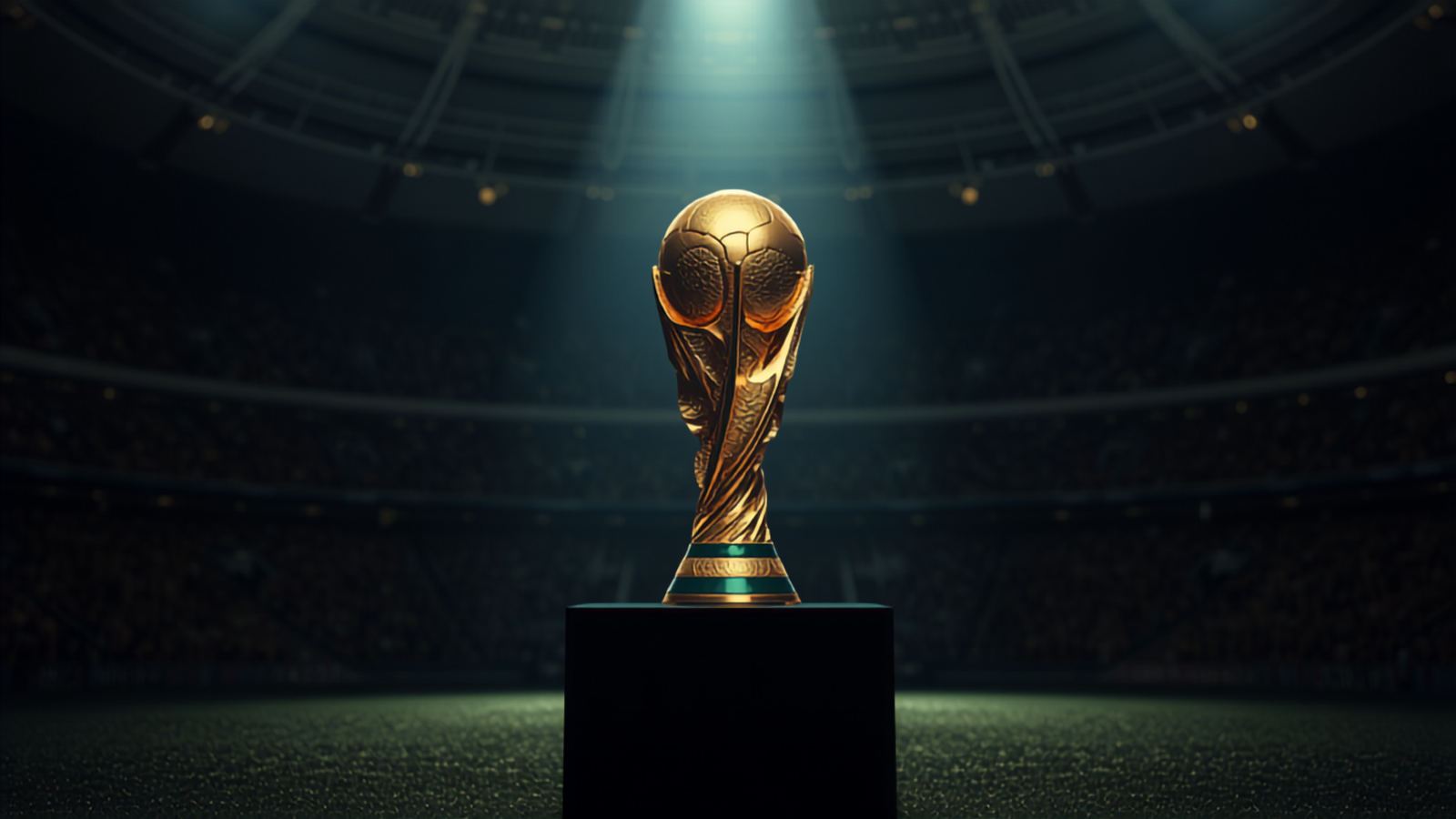
The most iconic ceremony of the entire tournament happens after the final whistle. Once a champion is confirmed — whether after 90 minutes, extra time, or a penalty shootout — FIFA officials present medals to both finalists on a purpose-built podium: silver for the runner-up, gold for the champions. The winning captain then lifts the FIFA World Cup Trophy, a moment that has produced some of football's most enduring images across nine decades of the tournament's history.

What follows is pure celebration — confetti, fireworks, and a champion's lap of honor around the pitch, often stretching on long after the broadcast itself has ended. For the players involved, it's frequently described as the single most overwhelming moment of their careers.

Watching the Final Around the World
The FIFA World Cup Final is broadcast more widely than almost any other event on the planet. Official rights-holding broadcasters in each country carry the match live, and FIFA's own streaming platform, FIFA+, provides an additional official way to follow the tournament in many territories.
🌍 How to Follow the Final
- Television: official broadcasters in each country hold exclusive live rights — check local listings closer to matchday
- Streaming: FIFA+ and most official broadcast partners offer streaming or app-based coverage alongside traditional TV
- Time zones: kickoff is scheduled for the afternoon, Eastern Time — convert to your local time zone in advance
- Public viewing: official fan festivals in host cities, plus bars, pubs, and public screenings worldwide, offer a communal alternative to watching at home
- Mobile viewing: official broadcaster and FIFA apps typically offer live match coverage and push notifications for goals and major moments
- Live updates: FIFA's official Match Centre provides real-time scores and statistics for fans unable to watch live
However you choose to follow it, the sheer scale of the 2026 final's broadcast reach — spanning more than 200 territories — means it will be nearly impossible to avoid, even for people who don't normally follow football.
World Cup Final Awards Explained
Alongside the trophy itself, FIFA presents a set of individual awards recognizing standout performances across the tournament. None of these awards are decided until the tournament concludes — here's what each one actually recognizes.
| Award | Purpose |
|---|---|
| FIFA World Cup Trophy | Awarded to the champion nation; the current trophy design has been presented since 1974 |
| Golden Ball | Presented to the tournament's best overall player, voted on by a panel of media members |
| Golden Boot | Awarded to the tournament's top goalscorer across all matches |
| Golden Glove | Recognizes the best-performing goalkeeper of the tournament |
| Best Young Player | Given to the standout player aged 21 or under at the start of the tournament |
| FIFA Fair Play Award | Presented to the team with the best disciplinary and sporting conduct record |
Every one of these awards will be decided based on what actually happens across all 104 matches — nothing about who receives them can be known in advance.
What Happens After the Final
The moments immediately after the final whistle are only the beginning. In the days that follow, the champion nation typically holds a homecoming parade, drawing enormous public celebrations — historically among the largest public gatherings many countries ever see.
FIFA's world rankings are also updated based on tournament results, shaping seeding for future qualification cycles. For the players involved, a World Cup medal — winning or otherwise — becomes a permanent part of their career story, while the tournament as a whole typically produces a measurable bump in youth football participation in both the winning and hosting nations.
For football itself, life moves on quickly. Qualification for the next cycle of international tournaments begins almost immediately, and the 48-team, three-host template established in 2026 will likely shape how future World Cups are organized and discussed for years to come.
Looking Ahead: The Legacy of 2026 and Football's Future
Regardless of who lifts the trophy at MetLife Stadium, FIFA World Cup 2026 will already have left its mark on the sport. The expansion to 48 teams, the first three-nation hosting arrangement, and a record 104 matches have permanently changed the scale of the tournament — future World Cups will be measured against this one.
The next FIFA World Cup, in 2030, will be jointly hosted by Spain, Portugal, and Morocco, with a small number of centenary matches also played in Uruguay, Argentina, and Paraguay to mark 100 years since the very first tournament in 1930 — a fitting bookend to the story that began in Montevideo.
For the United States, Canada, and Mexico, the impact of 2026 is likely to extend well beyond the final whistle: stadium infrastructure built or upgraded for the tournament, a new generation of young players inspired by watching a World Cup on home soil, and a football culture across North America that continues to grow long after the world's attention moves elsewhere.
About the Author

Conclusion: The Biggest Stage in Football
FIFA World Cup 2026 will be remembered as a turning point for the tournament itself — the first World Cup shared by three nations, the first with 48 teams, and the first to stage its showpiece final in the United States since 1994. Every storyline covered across this four-part series — the history behind the final, the tactics that shape it, the records that could fall, and the ceremony that follows the final whistle — leads to a single afternoon at MetLife Stadium on July 19, 2026.
What happens in that match is still unwritten. But its significance already isn't in question. A tournament built to be the biggest World Cup in history will be settled by the oldest question in football: which team wants it more, for ninety minutes, and however long after that it takes.
For everything else about the tournament — the teams, the stadiums, the format, and the road that led here — our complete FIFA World Cup 2026 guide and our Round of 16 fixtures and results coverage remain the fullest record of how football's biggest event reached this final.